
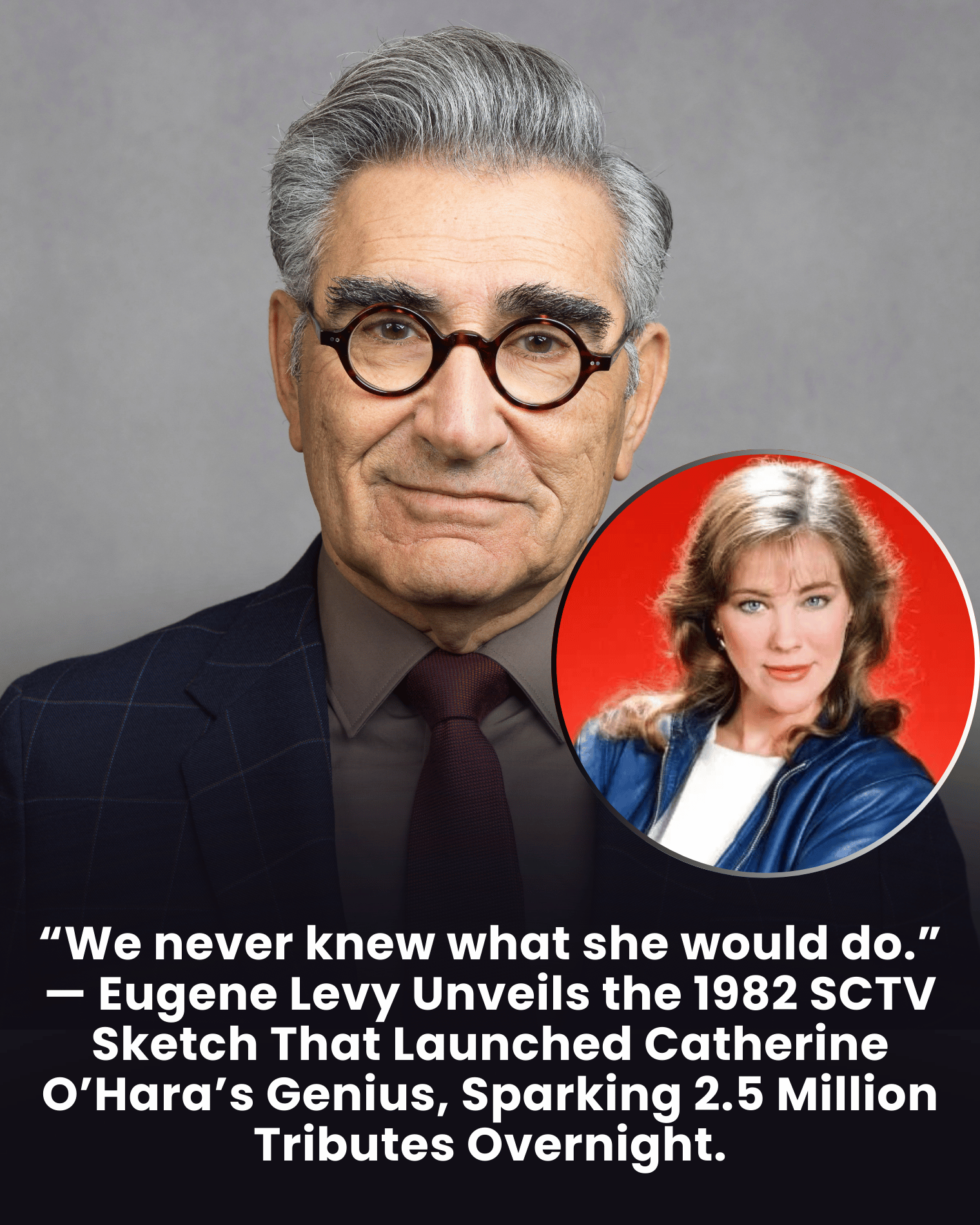
Eugene Levy has shared a memory that perfectly captures why Catherine O'Hara became one of comedy's most unpredictable and beloved forces. Looking back on the wild early years of SCTV, Levy described an atmosphere that was often equal parts panic and inspiration, where sketches could feel like they were hanging by a thread until O'Hara stepped in and transformed everything. His recollection has struck a powerful chord with fans, igniting a wave of emotion and admiration for the performer whose originality helped define an era of television comedy.
According to Levy's vivid account, the creative process behind SCTV was far from polished. There were moments, he suggested, when the writers and cast would be staring at empty pages, unsure where to go next. That uncertainty, however, was often where O'Hara thrived most. Levy remembered how she could suddenly twist her face into some impossible expression, invent a strange and unforgettable voice, and in an instant create a character no one else could have imagined. It was not simply sketch comedy craftsmanship. It was instinct, fearlessness, and invention colliding in real time.
That is the image that seems to have stayed with him most strongly: not just Catherine O'Hara as a gifted actress, but Catherine O'Hara as a creative force who could pull brilliance out of chaos. Levy's description makes clear that her genius did not come from trying to dominate a room or seize attention. It came from a willingness to go somewhere odd, specific, and completely original, even when no one else knew what the scene needed yet. In a comedy environment built on timing and risk, that kind of talent is almost impossible to teach.
One detail in Levy's reflection makes the story even more moving. When he spoke about O'Hara's first Emmy win in 1982, he did not paint the picture of a star basking in applause. Instead, he remembered someone who quietly slipped toward the back of the room, almost as if she wanted to disappear from the spotlight she had unquestionably earned. That contrast says so much about the kind of respect O'Hara inspired. Her talent was never loud in a self-promotional way. It was the work itself that commanded attention.
For longtime fans, Levy's story feels like confirmation of something they have known for decades: Catherine O'Hara's brilliance has always been rooted in surprise. She never seemed interested in being predictable, polished, or safe. Whether in sketch comedy, film, or later television triumphs, her performances have always carried that thrilling sense that anything might happen next. Levy's words bring that quality back into focus, reminding audiences that before the awards, the iconic roles, and the lasting legacy, there was simply an artist bold enough to create magic in the middle of uncertainty.
That is likely why this memory has resonated so deeply. It is not just nostalgia for SCTV. It is a tribute to a performer whose genius was visible even in the messiest moments, and to a creative partnership that helped shape comedy history. In remembering her this way, Eugene Levy has offered more than a backstage anecdote. He has given fans a portrait of Catherine O'Hara at her purest: shy, strange, brilliant, and utterly unforgettable.